The Function of Aluminum Casting beforehand Lasting Production Practices
Aluminum casting works as a crucial component in advertising lasting production methods. Its capacity to produce top quality elements with a minimized ecological impact is impressive. The procedure not just sustains power performance however likewise substantially boosts recyclability. Obstacles stay in completely recognizing its potential. Exploring the innovations in aluminum casting innovation can disclose options that line up producing with sustainability goals. The implications of these advancements deserve thinking about.
Understanding Aluminum Casting and Its Process
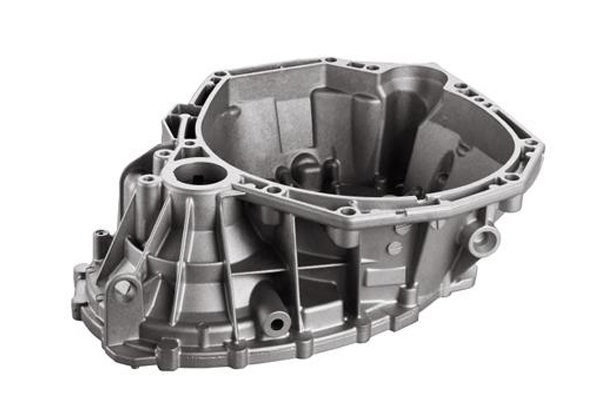
Although aluminum casting has been a basic process in making for years, its importance continues to expand in numerous sectors as a result of its adaptability and effectiveness. This process involves pouring liquified aluminum into mold and mildews to produce intricate forms and elements, making it perfect for producing light-weight yet resilient items. The aluminum casting procedure can be classified into several methods, including sand casting, die casting, and investment casting, each offering special benefits suited to details applications.
Throughout the casting process, aluminum is heated up to its melting point, permitting it to stream quickly right into molds that specify the final form. Once cooled down, the aluminum solidifies, leading to a solid and exact element. The capacity to produce intricate geometries with minimal waste highlights aluminum casting's duty in modern-day manufacturing - Aluminum Castings. As markets look for innovative options, understanding this process comes to be vital for maximizing manufacturing and meeting the demands of an advancing market
Environmental Benefits of Aluminum Casting
As markets significantly prioritize sustainability, the environmental benefits of aluminum casting become a lot more obvious. One significant advantage is the product's recyclability; aluminum can be reused repeatedly without degrading its high quality. This minimizes the quantity of waste sent out to land fills and minimizes the requirement for virgin materials, saving natural deposits. In addition, the aluminum casting procedure creates less greenhouse gas emissions compared to various other metal casting approaches, adding to lower general environmental influence.
An additional advantage exists in the light-weight nature of aluminum, which brings about fuel efficiency in transportation applications. By utilizing aluminum components, producers can decrease car weight, leading to decreased fuel consumption and emissions throughout operation. Innovations in aluminum casting modern technologies have actually led to a reduction in hazardous waste manufacturing, enhancing general eco-friendly safety and security. Collectively, these variables setting aluminum casting as a vital gamer in promoting sustainable manufacturing techniques and conference ecological objectives across numerous markets.
Energy Performance in Aluminum Production
Energy performance plays a vital duty in aluminum production, significantly influencing overall sustainability. By embracing cutting-edge casting methods and integrating renewable resource sources, manufacturers can attain decreased power intake throughout the production procedure. This shift not just lowers functional costs however also adds to a more eco-friendly sector.

Lowered Power Usage
While the aluminum production market has typically been energy-intensive, current developments have substantially enhanced energy efficiency throughout the production procedure. Advancements in smelting innovation and the adoption of high-efficiency heaters have considerably lowered energy consumption. These improvements permit suppliers to utilize less power each of output, decreasing greenhouse gas exhausts and lowering functional costs. In addition, the combination of eco-friendly energy resources into manufacturing facilities additionally adds to minimized reliance on nonrenewable fuel sources, advertising sustainability. Carrying out advanced insulation products and maximizing warm recuperation systems also plays an essential function in making the most of power efficiency. Consequently, the aluminum sector is making substantial strides towards decreasing its total environmental footprint while satisfying the raising demand for sustainable methods in production.
Innovative Casting Strategies
Innovative casting techniques are transforming the aluminum production landscape, boosting both efficiency and sustainability. Advanced methods such as die casting and investment casting lessen material waste and enhance dimensional accuracy, resulting in lowered energy intake throughout the manufacturing process. Techniques like fast solidification and semi-solid processing enable far better control over metallurgical buildings, resulting in lightweight and high-strength components. Furthermore, the application of computer simulations and automation in casting processes optimizes cycle times and minimizes problem prices. These advancements not only enhance production yet likewise contribute to the round economy by making it possible for the recycling of aluminum scrap into high-grade products. Consequently, the aluminum sector is poised to satisfy growing needs while sticking to lasting production methods.
Renewable Resource Integration
A significant shift in the direction of sustainable power assimilation is improving energy efficiency in aluminum manufacturing. This adjustment involves making use of solar, wind, and hydropower resources to minimize reliance on fossil gas, significantly lowering carbon emissions. Facilities are progressively adopting energy-efficient technologies, such as advanced electrolytic processes, which maximize energy usage throughout aluminum manufacturing. By taking advantage of renewable resource, producers not just lower operational prices however additionally improve their sustainability accounts. In addition, wise grid technologies help with the smooth assimilation of sustainable resources, enabling more secure power materials. As the market embraces these innovations, the aluminum field is placed to lead in lasting methods, showing a commitment to ecological stewardship while fulfilling enhancing global demand for light-weight, high-performance products.
The Recyclability of Aluminum and Its Influence
Aluminum's recyclability offers significant advantages in sustainable manufacturing, enabling boundless recycling without loss of top quality. This residential property not just lowers waste however also improves power efficiency throughout the recycling procedure. As a result, the influence on both the atmosphere and production prices is extensive, making aluminum a preferred product in eco-conscious industries.
Infinite Recycling Possible
Lots of products lose top quality with recycling procedures, aluminum stands out due to its boundless recyclability, which substantially adds to lasting production practices. This special characteristic allows aluminum to be reused continuously without weakening its homes, making it a valuable resource in different markets. The lifecycle of aluminum starts over again with each recycling effort, conserving resources and minimizing waste. This not just decreases the ecological influence yet also fosters a round economic climate where aluminum can be recycled many times. The high need for recycled aluminum further stresses its significance in lasting manufacturing, as it improves resource performance and advertises a green approach to production. Eventually, the limitless reusing potential of aluminum plays a considerable duty beforehand lasting practices throughout markets.
.jpg)
Power Efficiency Perks
Significant power financial savings wikipedia reference are recognized with the recycling of aluminum, highlighting its function in lasting production. Reusing aluminum requires just 5% of the power needed to generate new aluminum from raw materials. This considerable reduction in energy consumption converts right into reduced greenhouse gas emissions, adding to ecological sustainability. The energy effectiveness of aluminum reusing not just saves resources yet also decreases operational prices for producers, making it an economically feasible option. advice Furthermore, the procedure of recycling aluminum can be incorporated into existing assembly line without considerable interruption, enhancing general efficiency. As industries increasingly prioritize sustainability, the recyclability of aluminum placements it as an essential player ahead of time energy-efficient manufacturing methods, promoting a circular economic climate and promoting liable resource monitoring.
Difficulties Dealing With Aluminum Casting in Lasting Practices
While the aluminum casting sector has actually made strides in the direction of lasting techniques, a number of obstacles continue to be that impede its development. One considerable concern is the high power intake linked with conventional casting approaches, which typically counts on fossil gas. This reliance not just boosts operational prices yet likewise contributes to greenhouse gas emissions. Furthermore, the recycling process for aluminum can be inefficient, resulting in worldly loss and boosted waste. Another difficulty is the minimal accessibility of sustainable raw products, as sourcing recycled aluminum can be tough and costly. Furthermore, governing pressures and differing environmental requirements across areas complicate compliance efforts, making it challenging for firms to embrace uniform lasting practices. Lastly, workforce training continues to be poor, with several staff members lacking the required abilities to apply cutting-edge, environmentally friendly techniques in casting procedures. Addressing these obstacles is important for the aluminum casting market to totally understand its potential in sustainable production.
Advancements in Aluminum Casting Innovation
To get over the obstacles encountered in lasting techniques, the aluminum casting market is seeing a wave of advancements targeted at improving performance and minimizing environmental effect. Advanced casting techniques, such as 3D printing and pass away casting, are being embraced to reduce material waste and improve precision. These technologies make it possible for manufacturers to produce intricate geometries with much less aluminum, thus preserving sources.
Furthermore, the integration of reusing techniques, consisting of closed-loop systems, facilitates using scrap aluminum, significantly minimizing power usage contrasted to main aluminum production. Boosted mold designs and coverings are likewise adding to sustainability by improving thermal effectiveness and reducing discharges during the casting procedure.
Automation and smart manufacturing innovations are being applied to optimize production processes, resulting in minimized cycle times and power use. Jointly, these innovations represent a substantial change in the direction of more sustainable practices within the aluminum casting market, straightening with wider ecological goals.
Future Prospects for Lasting Production With Aluminum Casting
As the need for lasting production methods escalates, the aluminum casting sector is poised to play a critical function fit a greener future. The industry is significantly embracing recycling processes that considerably minimize waste and power intake, lining up with global sustainability goals. Developments such as low-energy casting methods and the usage of recycled aluminum not just reduce carbon footprints yet also improve the general efficiency of production.
As industries seek to follow more stringent environmental policies, the aluminum casting sector stands ready to provide lasting services, placing itself as a key gamer in the shift in the direction of green manufacturing methods in various industries, consisting of vehicle and aerospace.
Regularly Asked Inquiries
How Does Aluminum Casting Compare to Various Other Metal Casting Methods?
Aluminum casting generally supplies benefits such as reduced melting factors and exceptional recyclability compared to other steel casting approaches. Its light-weight nature and outstanding corrosion resistance further enhance its appeal in numerous production applications.
What Industries Advantage Most From Aluminum Casting?
Numerous industries, consisting of auto, aerospace, and customer goods, considerably take advantage of aluminum casting - Aluminum Castings. This technique's light-weight, corrosion-resistant properties enhance product efficiency while permitting for intricate styles, making it an appealing alternative for makers seeking efficiency and technology
Can Aluminum Casting Be Used for Facility Designs?
Aluminum casting can properly suit intricate layouts because of its convenience and capability to create complex shapes. This process enables suppliers to create light-weight, durable elements suitable for different applications across various industries, improving advancement and effectiveness.
What Is the Life-span of Aluminum Cast Products?
The lifespan of aluminum cast items commonly ranges from numerous decades to over a century, relying on factors such as environmental problems, maintenance, and the details application. Resilience makes them ideal for different long-lasting uses.
Exactly How Does Aluminum Casting Effect Task Creation in Manufacturing?
Aluminum casting these details considerably adds to work creation in production by promoting knowledgeable labor opportunities, sustaining neighborhood economic climates, and encouraging technical developments. This procedure not just enhances manufacturing performance but also advertises labor force growth and training efforts.